
General category guidance
Engineered Quartz Care Guide
Engineered quartz is a manufactured surface, not natural quartzite. Formulations and cleaning permissions differ between products. Always prioritize the current instructions for your exact manufacturer.
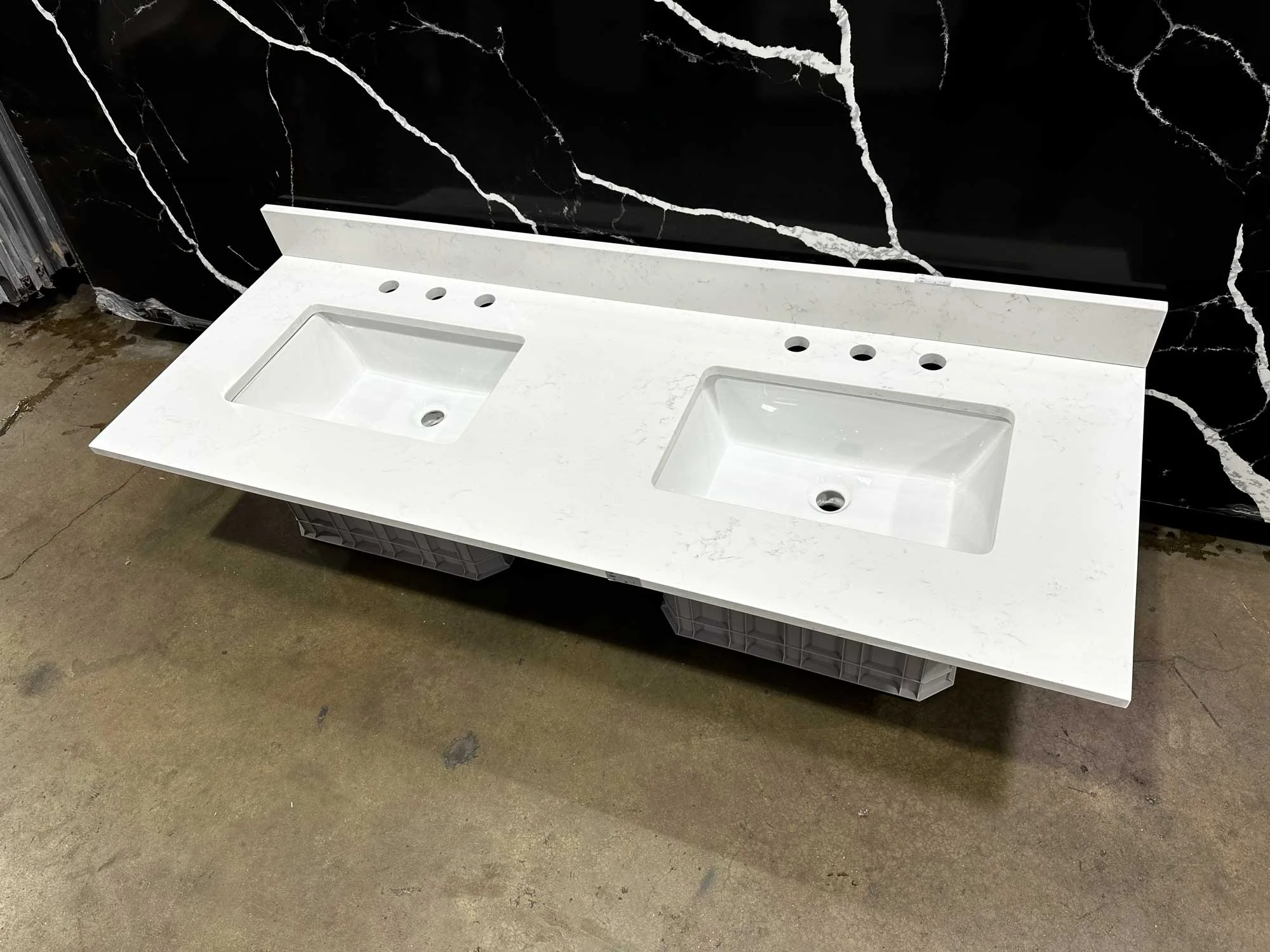
Gentle daily cleaning
Start with warm water and a soft cloth. Mild soap is suitable for Cambria; for other brands confirm the exact manufacturer directions, then rinse and dry as instructed. Do not use one brand’s approved chemical list for another surface.
- Cambria — Quartz Product CareSource checked: 2026-11-14
Check before applying any treatment
Common nonporous engineered quartz does not need natural-stone sealing. Cambria explicitly prohibits sealers, penetrants and topical treatments. Confirm your exact product manual before applying any treatment.
- Cambria — Quartz Product CareSource checked: 2026-11-14
Protect against heat
Engineered quartz is not universally heat-proof. Use solid trivets or suitable hot pads under hot cookware and heat-producing appliances. Rapid temperature changes or prolonged heating can damage the surface.
- Cambria — Quartz Product CareSource checked: 2026-11-14
Cutting boards and impact protection
Use cutting boards and avoid impacts at edges, sinks and dishwashers. Quartz is not scratch-proof or chip-proof. Deep scratches, chips and cracks need qualified assessment.
- Cambria — Quartz Product CareSource checked: 2026-11-14
No universal chemical recipe
Do not assume bleach, vinegar, alcohol, solvents, strong alkaline cleaners, acidic descalers or abrasive pads are safe for every quartz brand. Never mix cleaners. Use only products approved for the exact manufacturer and finish; stop if a mark persists after gentle cleaning.
- Cambria — Quartz Product CareSource checked: 2026-11-14
Manufacturer-specific compatibility
Chemical compatibility depends on the exact product. A cleaner permitted by one manufacturer may be prohibited by another. Do not use acids to diagnose the material or remove marks without current product approval.
- Cambria — Quartz Product CareSource checked: 2026-11-14
Choose the correct care manual
Cambria, Caesarstone and Silestone have different product-care documents. Cambria directions were checked for this guide. Brand-specific Caesarstone and Silestone cleaning instructions are pending full current-product verification; follow your exact manual rather than a substituted recipe.
- Cambria — Quartz Product CareSource checked: 2026-11-14
Prompt residue removal
Remove spills and surface residue promptly using the gentle cleaning method approved for your product. Nonporous does not mean chemical-proof or immune to surface marks. Persistent discoloration needs manufacturer guidance.
- Cambria — Quartz Product CareSource checked: 2026-11-14
Do not diagnose from a mark alone
Residue, surface markings, heat exposure and chemical damage can look similar. A dull spot is not automatically a stain or acid etching. If warm water and approved mild cleaning do not resolve it, ask the manufacturer or a qualified surface professional before using stronger products.
- Cambria — Quartz Product CareSource checked: 2026-11-14
Seek qualified help for damage
For chips, cracks, deep scratches, heat marks or persistent surface changes, consult the manufacturer or a qualified surface professional. Do not attempt DIY grinding, polishing, solvents or chemical repairs.
- Cambria — Quartz Product CareSource checked: 2026-11-14
Cambria-specific restrictions
Cambria prohibits bleach, oven cleaners, abrasive pads and harsh alkaline or acidic cleaners, and prohibits sealers or topical treatments. Use warm water, a soft cotton cloth and mild soap if desired. These restrictions are Cambria-specific; other product manuals may differ.
- Cambria — Quartz Product CareSource checked: 2026-11-14
Frequently asked questions
Does quartz need sealing?
Common nonporous engineered quartz does not need natural-stone sealing. Cambria explicitly prohibits sealers, penetrants and topical treatments. Confirm your exact product manual before applying any treatment.
- Cambria — Quartz Product CareSource checked: 2026-11-14
Can I put hot pans directly on quartz?
Engineered quartz is not universally heat-proof. Use solid trivets or suitable hot pads under hot cookware and heat-producing appliances. Rapid temperature changes or prolonged heating can damage the surface.
- Cambria — Quartz Product CareSource checked: 2026-11-14
Which cleaners are safe for my quartz brand?
Cambria, Caesarstone and Silestone have different product-care documents. Cambria directions were checked for this guide. Brand-specific Caesarstone and Silestone cleaning instructions are pending full current-product verification; follow your exact manual rather than a substituted recipe.
- Cambria — Quartz Product CareSource checked: 2026-11-14
Can quartz scratch?
Use cutting boards and avoid impacts at edges, sinks and dishwashers. Quartz is not scratch-proof or chip-proof. Deep scratches, chips and cracks need qualified assessment.
- Cambria — Quartz Product CareSource checked: 2026-11-14
What should I do about stubborn marks?
Residue, surface markings, heat exposure and chemical damage can look similar. A dull spot is not automatically a stain or acid etching. If warm water and approved mild cleaning do not resolve it, ask the manufacturer or a qualified surface professional before using stronger products.
- Cambria — Quartz Product CareSource checked: 2026-11-14
This guide provides general educational recommendations. Always follow the care instructions for your specific stone or surface manufacturer. Actual performance and care requirements vary by material, finish, manufacturer, and installation conditions.